
Why I started Sapiens
Sapiens started long before it was a company. It started with a question I have been asking since school: what happens inside us under pressure?
Learning to watch my own mind
Since my school days I have spent many months in silent meditation retreats, often in monasteries. Even in my consulting years I took a month or two off almost every year to sit in silence. By now it adds up to thousands of hours.
Meditation taught me to notice what is happening in my body right now. That self-awareness became a core pillar of Sapiens. A small study on a London trading floor (Scientific Reports, 2016) tested how well traders sensed their own heartbeat (interoceptive accuracy). Those who sensed it better were more profitable and lasted longer in the market.
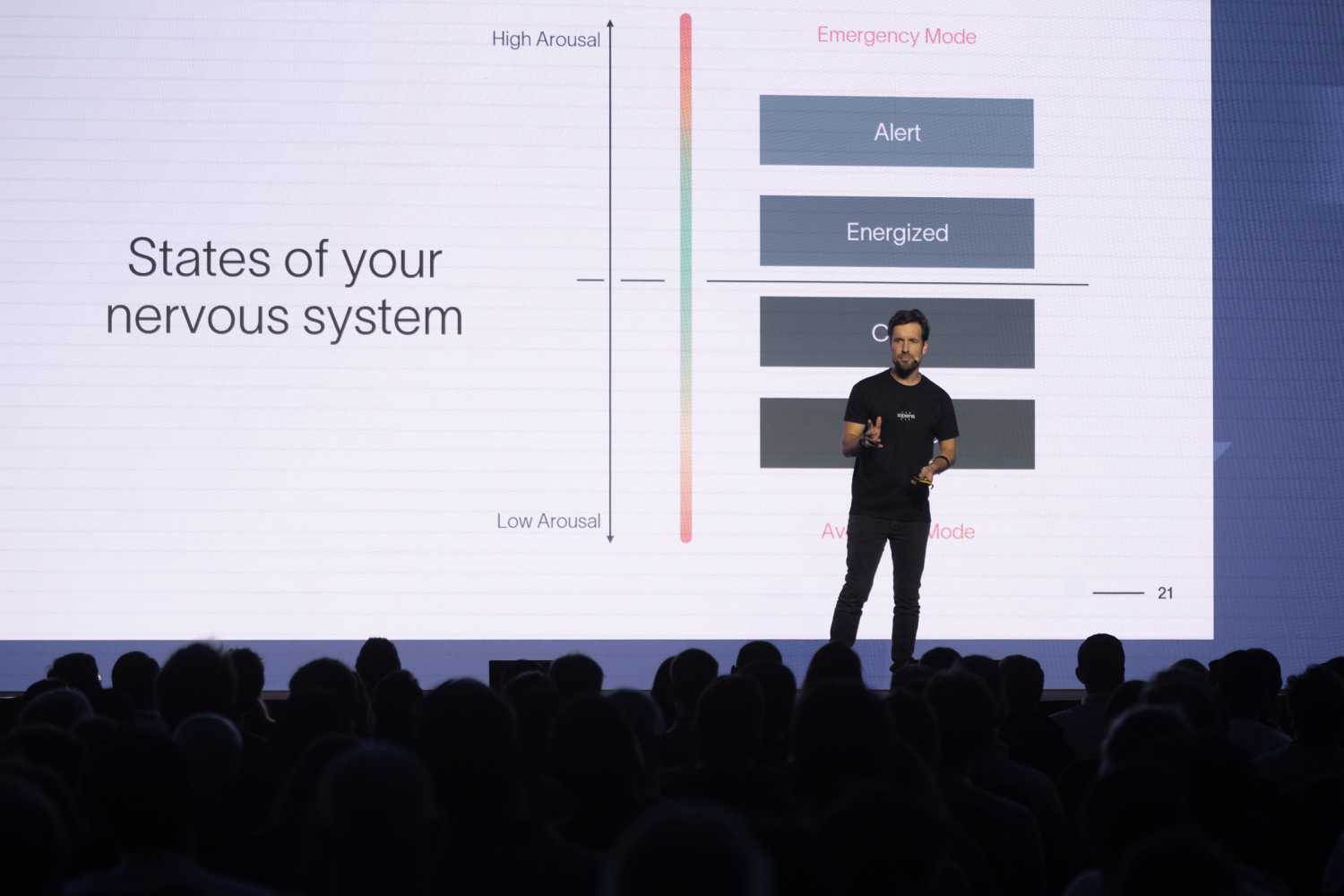
BCG: an intensity I loved
I studied mechanical engineering, but I wanted to work with people. In 2016 I joined BCG in Düsseldorf. I loved the intensity and the focus on performance. Projects took me to Australia, Africa, Russia and across Europe, and I was promoted twice, up to Project Leader.
Next to client work I co-founded BCG's mindfulness community. I led trainings on self-regulation, breathwork and performance for colleagues and clients, including 10-week mind training journeys.
Shortly after leaving
In 2021, just after my promotion, I left BCG. I wanted to build my own business around stress regulation, but it was not really clear yet what that would look like. Shortly after leaving, I was in hospital with type 1 diabetes. My immune system had attacked my pancreas.
A doctor tried to cheer me up: in 20 years there would be an artificial pancreas. My mind was somewhere else. I had always thought of myself as very healthy. I was focused on good nutrition and on training my mind.
Looking back, the signs had been there. My gut was not working well. I had immune issues, my sleep had changed, and I was more tired than I realized. I considered it all normal. Like many colleagues, I never really took care of my stress. Nobody knows exactly what triggers type 1 diabetes. Stress may have been one factor. What I do know is that many early signals were overlooked, first of all by me.
The diagnosis also showed me the limits of our health system. It noticed my stress-related issues late. And I could not find a doctor who would help me manage diabetes through nutrition, exercise and stress, not only insulin.
Going back to school
I wanted to understand what stress actually does in the body. Not to become a doctor, but to learn the fundamentals. I studied physiology and biochemistry at Harvard Medical School. Later I went deeper with a master's in preventive and functional medicine at Dresden International University.
In parallel I worked as a freelancer. I brought biofeedback devices into workshops with consultants, lawyers and bankers and measured their stress live while they learned to calm their nervous system. Most stress management I saw felt esoteric and did not fit a consultant's calendar. For about two years it was mostly just me. Sometimes a medical doctor was by my side to support with diagnostics and more specific debriefs. Through that work I met around 7,000 people and learned what they need: something specific, with impact you can measure.
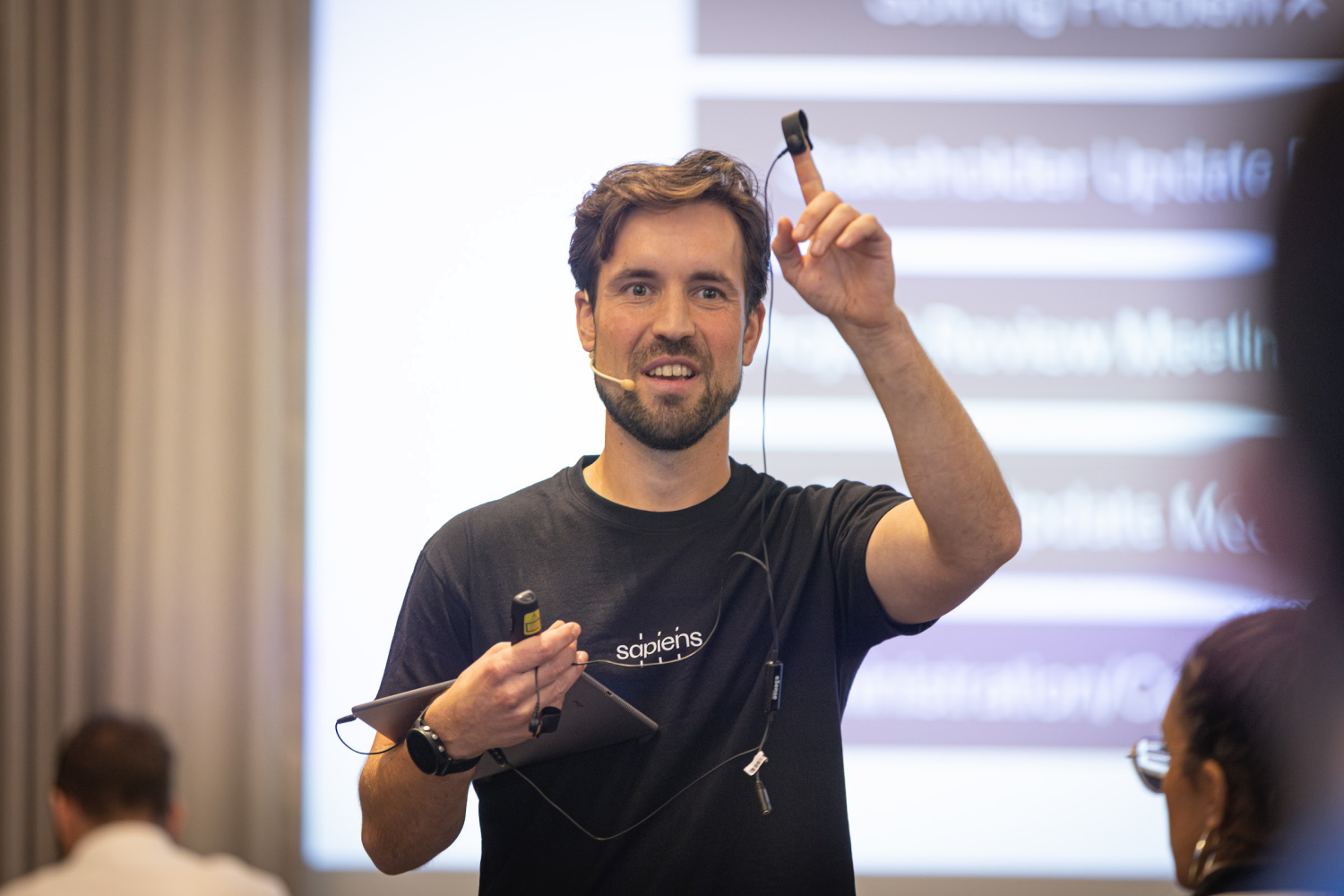
From workshops to diagnostics
The turning point came with a client who wanted to measure stress in their people in a scientific way. By then I had experimented with cortisol saliva tests, ECG monitoring and HRV analysis (heart rate variability), together with several doctors. I could not find anything on the market that reliably measured stress and helped people change their lifestyle toward healthier, better performing lives. So it felt like the time to build our own solution: science-based and built on allostatic load, the price your body pays for stress.
Dr. med. Dominique S. Peschke, an internal medicine doctor, joined first. Then we wrote to the authors of the big stress science papers. Prof. Clemens Kirschbaum at TU Dresden is one of the most published stress researchers in Germany and helped develop hair cortisol analysis. He wanted to bring his work into practice. Prof. Robert-Paul Juster from the University of Montreal helped us build our allostatic load model. Biotech experts and neuroscientists followed. We fund Sapiens from client revenue.
Why Sapiens exists
I see three roots: pain, passion and profession. The passion is the time I spent with my own mind. The pain is my diagnosis and what I learned about how late stress gets noticed. The profession is the intense jobs I know from the inside.
Honestly, I don't think I would have found the courage to start the company without the illness.
I started Sapiens with one core mission: to help people prevent stress-related diseases. What happened to me should not happen to others. My body sent early signals, and I missed them.
One pathway is diagnostics that enhance self-awareness, not reduce it. Many health tools tell you how you feel, so you stop listening to yourself. We want the opposite. Your data should help you notice your body's signals earlier and understand what they mean.
There are two paths to high performance. One is to push through and ignore what your body tells you. The other is to notice those signals and work in tune with your biology. Sapiens is the system I wish I had back then: self-awareness, amplified by data.
Jan-Philipp Martini, founder and CEO of Sapiens
References
1. Kandasamy N, Garfinkel SN, Page L, et al. Interoceptive ability predicts survival on a London trading floor. Sci Rep. 2016;6:32986. doi.org/10.1038/srep32986
2. Juster RP, McEwen BS, Lupien SJ. Allostatic load biomarkers of chronic stress and impact on health and cognition. Neurosci Biobehav Rev. 2010;35(1):2-16. doi.org/10.1016/j.neubiorev.2009.10.002


