At-home stress and health diagnostics
Capture objective signals across stress, metabolism, inflammation and more
.avif)
.avif)
Measure the cost your body pays for stress
We measure allostatic load, the biological cost of stress, with validated tests
Start here
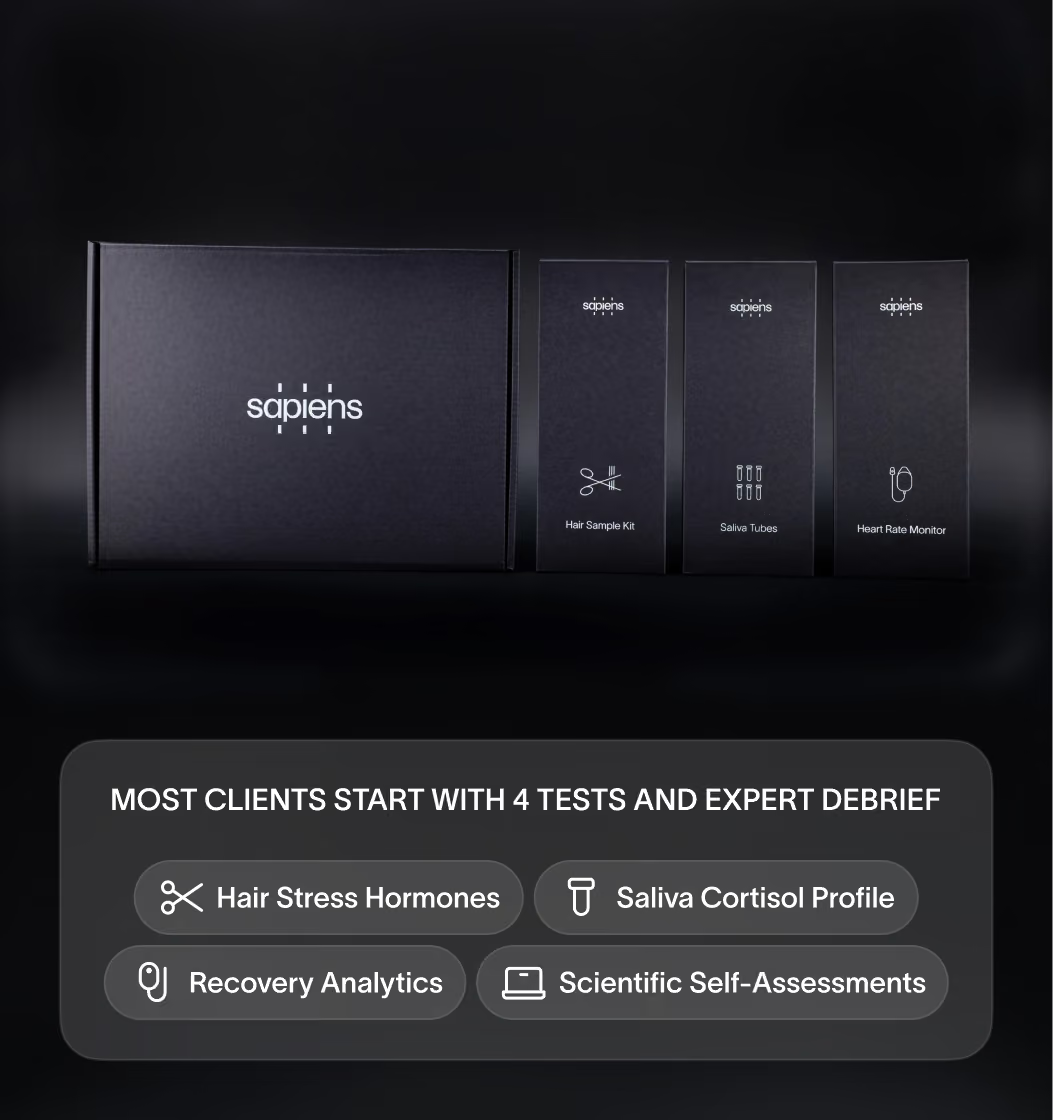
Comprehensive diagnostics kit
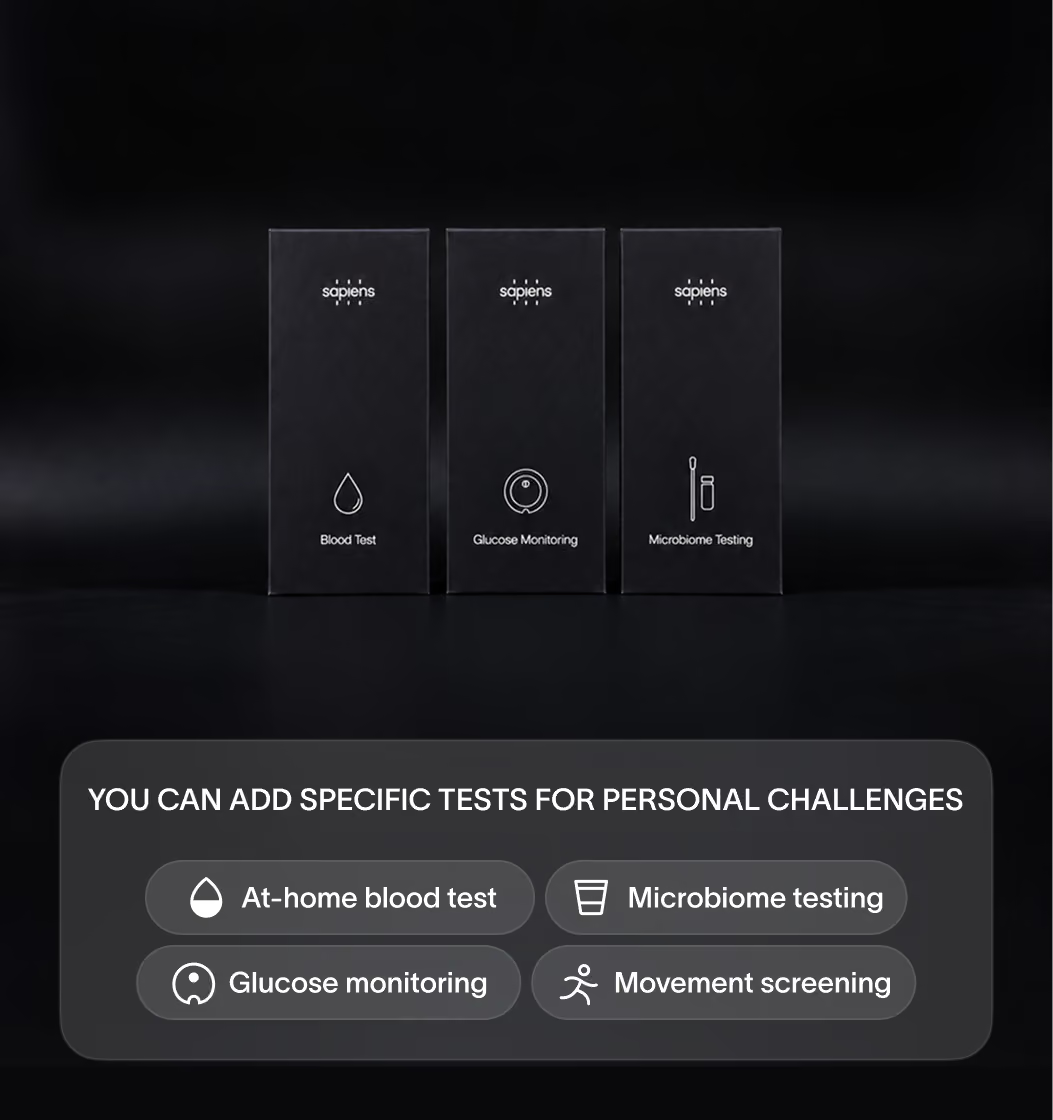
Add-on tests
Follow-up tests
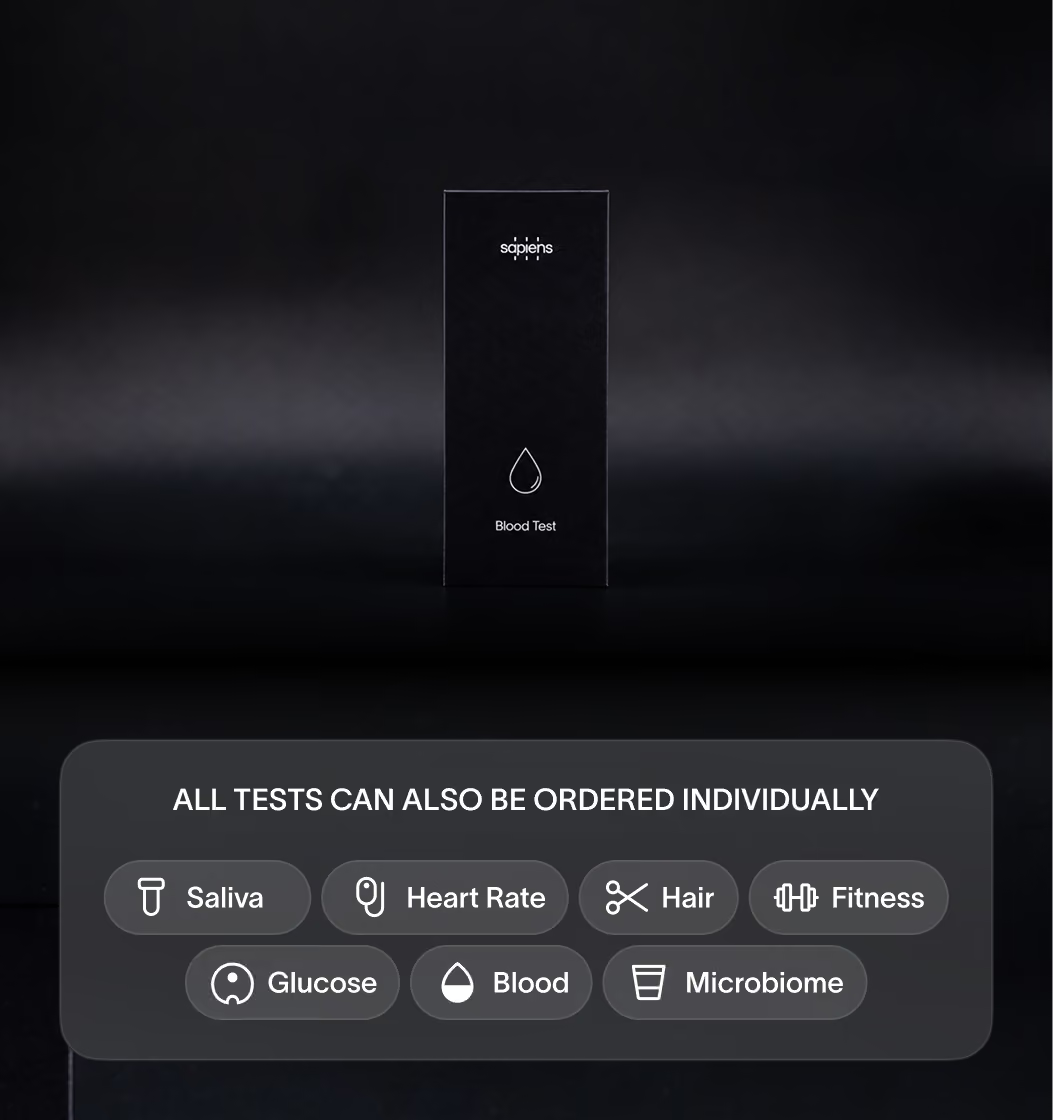
Explore each test
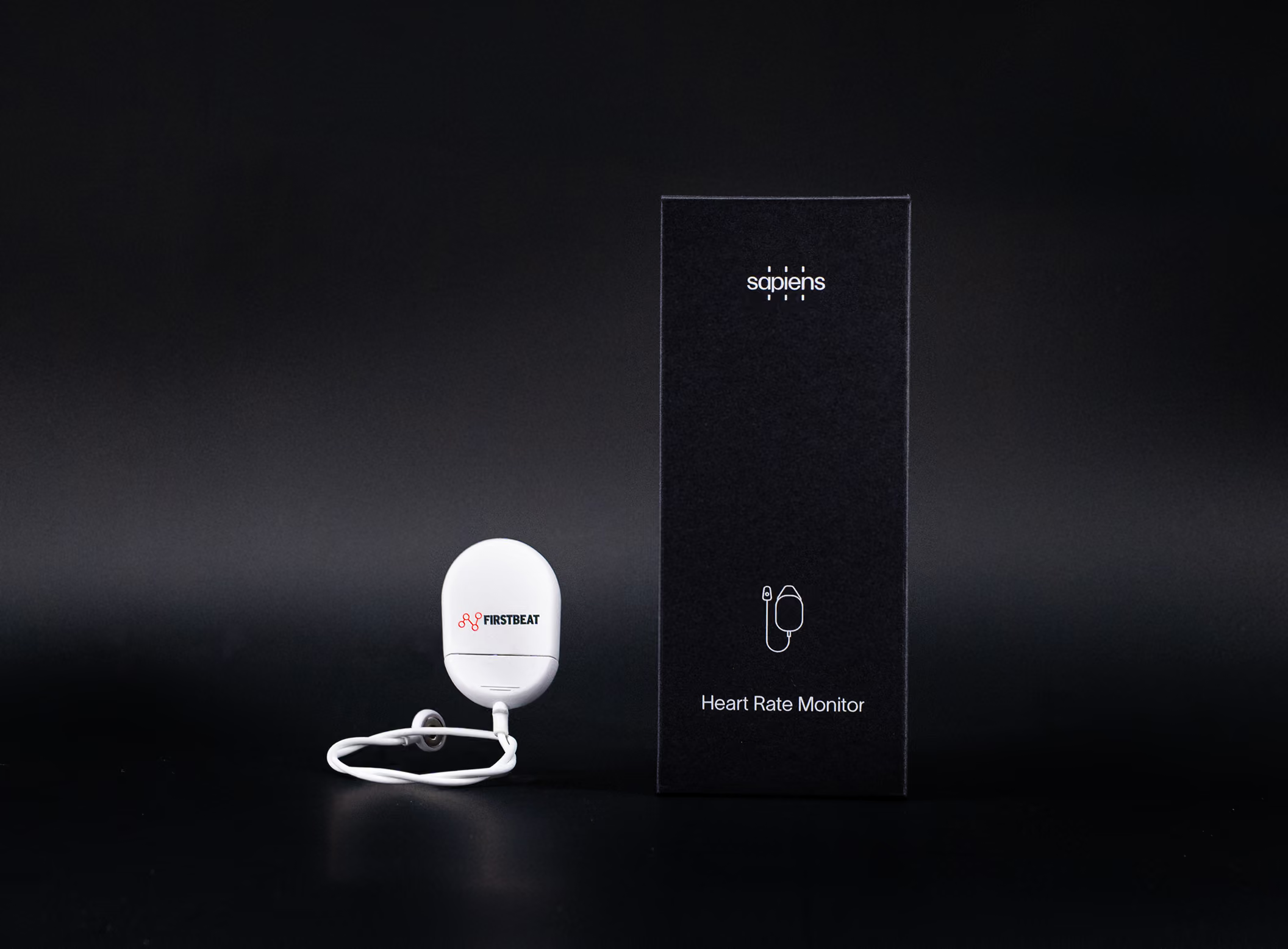
HEART RATE MONITORING
Recovery Analytics
One week of ECG-grade heart tracking to see how your body actually recovers
Markers
Night Recovery: how much of your sleep actually restores you
- Recovery while Asleep: restorative minutes per night
- Sleep Quantity: total sleep time and consistency
- Sleep Quality: HRV-based nervous-system recovery
- Sleep Time Regularity: consistency of bed and wake times
Stress & Recovery Balance: how strain and recovery trade off
- Recovery while Awake: restorative windows during the day
- Daily Stress and Recovery Profile: minute-by-minute stress map
Insight
- See how your body actually recovers, not how you think it does
- Spot days when work strain never lets your system come down
- Learn which routines lift your recovery, and which drain it
- Benchmark your recovery against peers in your age band
How to test
- Wear the sensor for one full week, Sunday to Saturday
- Skin-safe and waterproof: keep it on for showers and sleep
- Battery lasts the full week, no phone needed during wear
- Mail it back in the prepaid envelope when you are done
Scientific validation
- Method: ECG-grade heart tracking, every heartbeat, for a full week
- Landmark study: Föhr et al. (2016) validated HRV recovery scoring in workplace health
- Device: Firstbeat Bodyguard 3, used by Olympic teams and F1 medical staff
SALIVA SAMPLING
Saliva Cortisol Profile
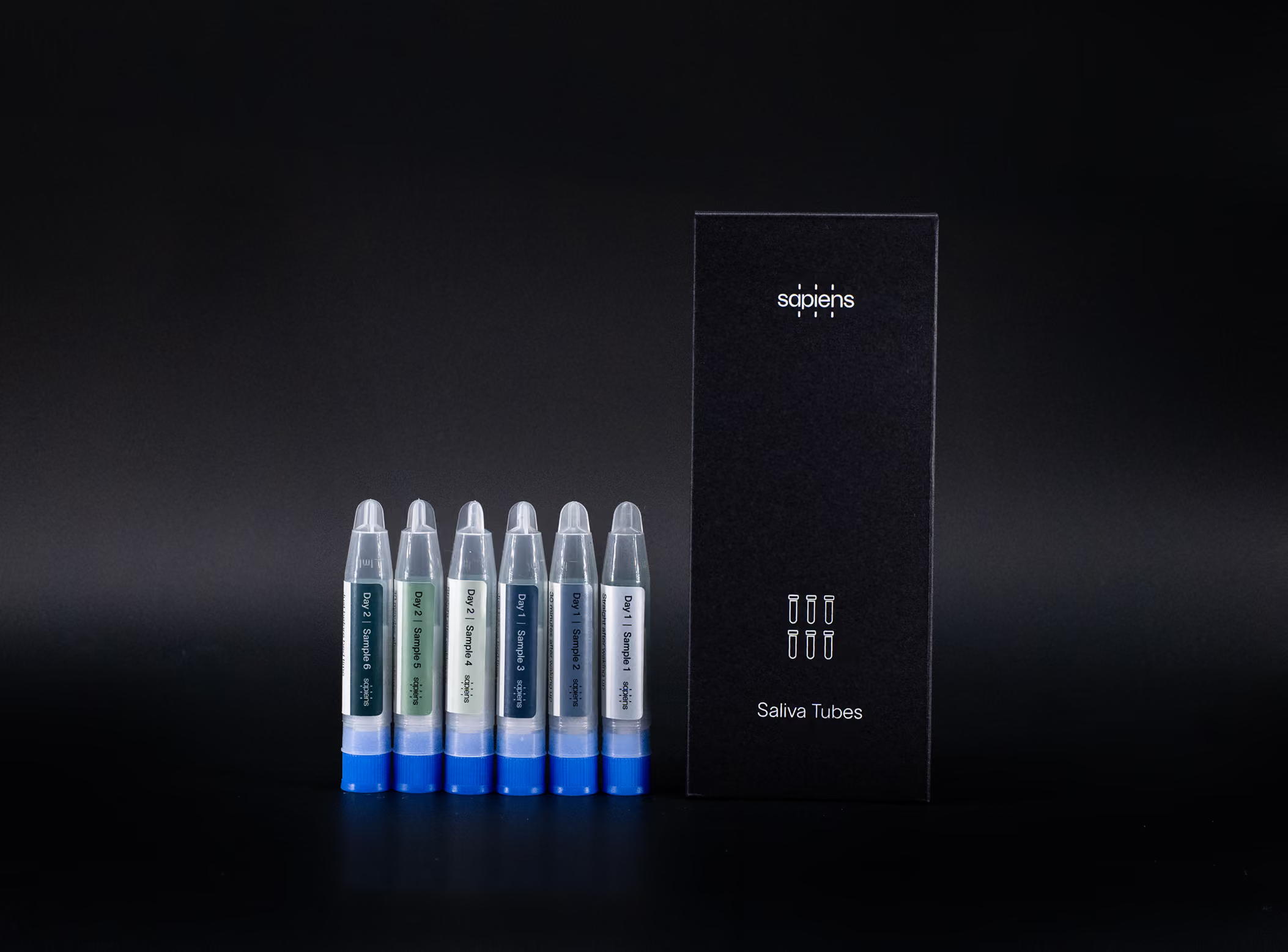
6 saliva samples across 2 days reveal your daily cortisol rhythm
Biomarkers
- Cortisol Awakening Response (CAR): the morning ramp-up
- Waking cortisol (0 min): baseline on opening your eyes
- Morning cortisol (+30 min): peak of the awakening surge
- Diurnal cortisol slope: how cortisol falls through the day
- Pre-bed cortisol: how well you wind down at night
- Optional add-on: DHEA-S, testosterone, progesterone in saliva
Insight
- See how sharply your body ramps up energy each morning
- Read how well you wind cortisol down before bed
- Spot the flat cortisol curves that signal chronic strain
- Compare your daily rhythm against peers in your age band
How to test
- 3 samples per day (waking, +30 min, ~10 pm) across 2 workdays
- Passive saliva into a Salivette tube: no needles, no fasting
- Freeze tubes overnight, then mail in the prepaid envelope
- No coffee, food or brushing teeth in the 30 min before a sample
Scientific validation
- Method: LC-MS/MS mass spectrometry, the reference standard for cortisol
- Landmark studies: Chida & Steptoe (2009) linked the CAR to chronic stress. Adam et al. (2017) linked flat slopes to worse health
- Lab: Dresden LabService, led by Prof. Clemens Kirschbaum, the reference cortisol lab worldwide
HAIR SAMPLING
Stress Hormone History
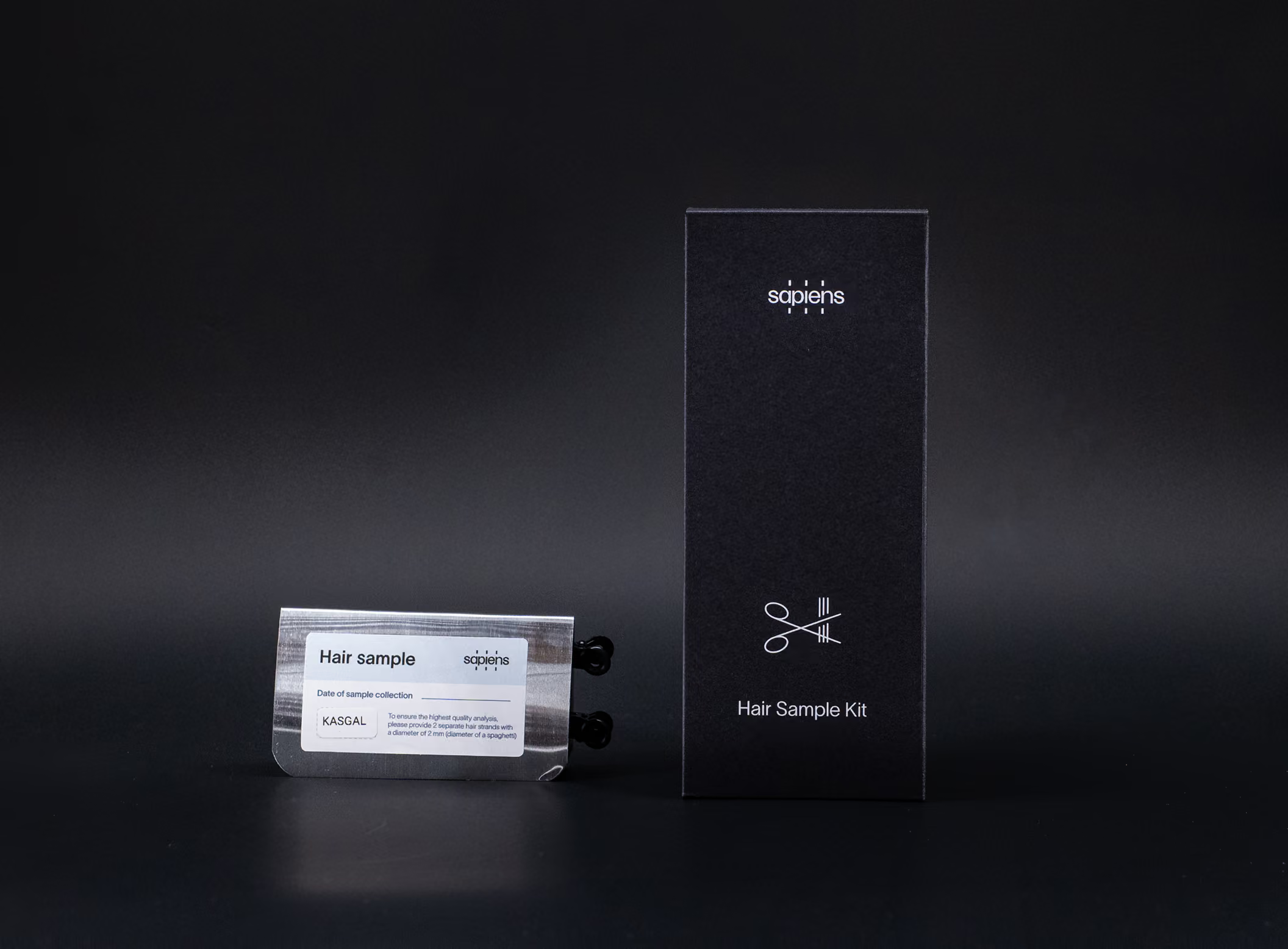
A single 3 cm strand of hair reveals 3 months of your stress load
Biomarkers
- Long-Term Stress Load
- Cortisol: cumulative stress load, 3 months
- Cortisone: inactive cortisol, reveals turnover
- Cortisol / Cortisone ratio
- Long-Term Resilience Capacity
- DHEA: the stress-buffering hormone (+ DHEA / Cortisol ratio)
- Testosterone: vitality, suppressed by chronic stress
- Progesterone: the calming hormone, low levels raise reactivity
- Endocannabinoid System
- AEA: mood modulator
- 1/2AG: immune modulator
- PEA: neuroprotective modulator
Insight
- See the stress your body has absorbed over the last 3 months
- Tell acute strain apart from long-term hormonal depletion
- Read the balance between your stress and recovery hormones
- One sample covers 3 months, ideal for tracking change
How to test
- Cut a 3 cm strand, pencil-lead thick, near the scalp at the back
- No blood, no fasting, no timing rules: a one-minute sample
- Sealed in a paper envelope and mailed to the lab
- Bald or shaved head? A body-hair alternative works, ask us
Scientific validation
- Method: LC-MS/MS quantifies 5 steroids and 3 endocannabinoids in one sample
- Landmark studies: Gao et al. (2013) established multi-steroid hair analysis. Stalder & Kirschbaum (2012) validated hair cortisol for chronic stress
- Lab: Dresden LabService, 20+ years under Prof. Kirschbaum, the world reference lab
GLUCOSE MONITOR
Glucose Monitoring
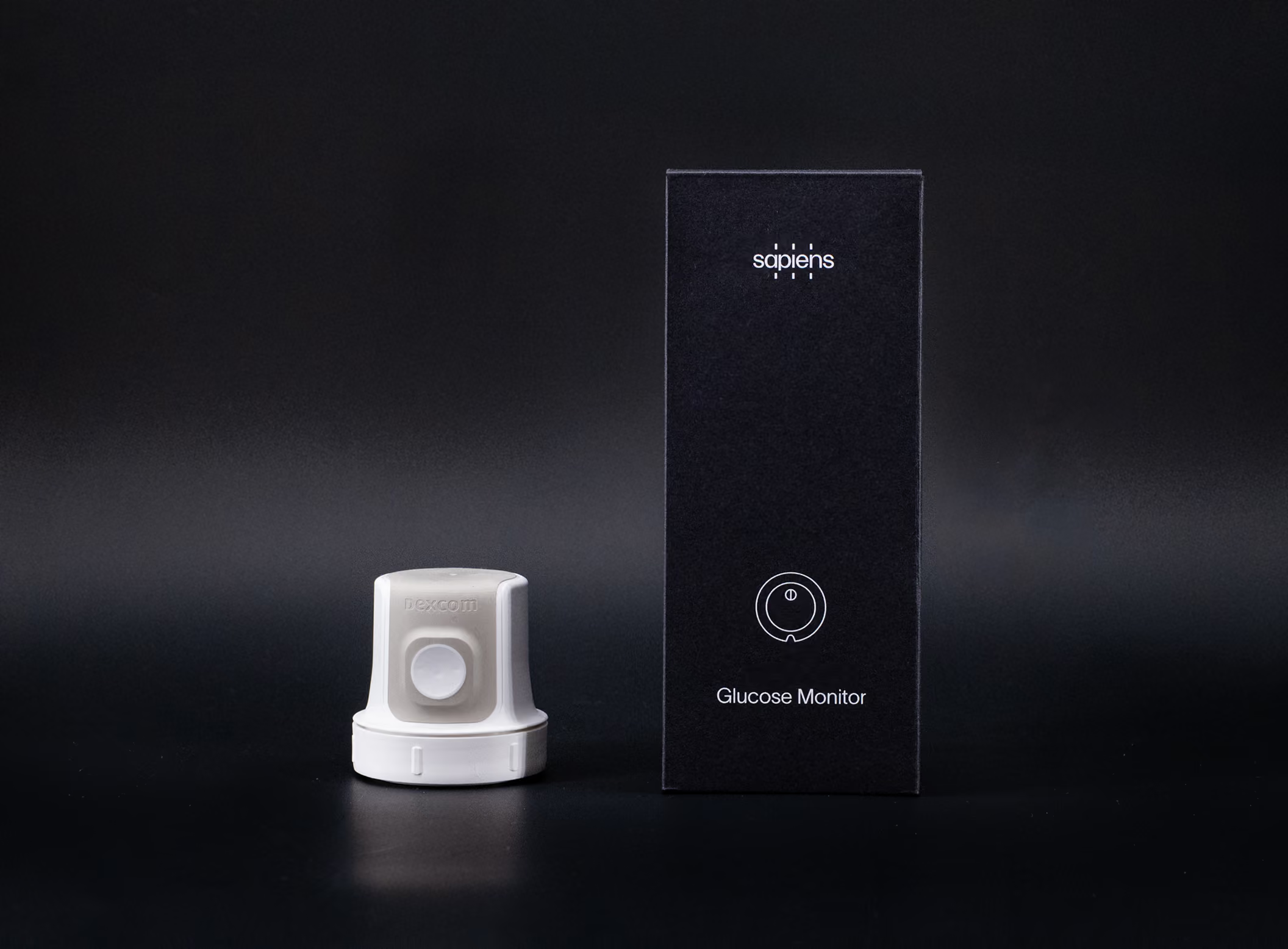
A 10-day skin patch shows how your body handles glucose each day
Biomarkers
- Blood Glucose Score
- Average glucose (with estimated HbA1c)
- Glucose variability (coefficient of variation, %)
- Fasting glucose
- Bedtime glucose
- Glucose Spikes (rises >30 mg/dL, lasting >60 min)
- Average spike count per day
- Average spike height (mg/dL)
- Average spike duration (h:min)
- Time-in-range across the day
Insight
- See which meals and workouts spike your blood sugar
- Cut the mid-morning crashes and afternoon energy dips
- 10 days is enough to trial 2 or 3 food experiments
- Catch metabolic drift years before a blood test would
How to test
- Discreet skin patch worn on the upper arm for 10 days
- No finger-pricks: the sensor sits just under the skin
- Data streams to your phone every 5 minutes, no interruption
- Log 2 or 3 short food or timing experiments while you wear it
Scientific validation
- Method: continuous glucose sensing every 5 min, ~2,880 data points across 10 days
- Landmark studies: Battelino et al. (2019) set the global standard for time-in-range. Hall et al. (2018) showed spikes predict future disease
- Device: Dexcom G7, FDA-cleared medical-grade sensor. We re-analyze the raw signal
AT-HOME BLOOD TEST
Blood Testing
Virtually painless blood collection from the upper arm for micronutrients, inflammation markers and more
Available blood biomarkers
We test a wide range of blood markers validated for Tasso collection, including these kits:
- Standard Kit: 10 core markers covering lipids, inflammation, thyroid and the four fatigue-driving micronutrients
- Female Health Kit (Fertility, Menopause, Thyroid): ~9 markers including FSH, LH, Estradiol, Progesterone, DHEA-S, Prolactin, TSH, fT3, fT4, TPO-Ak
- Fitness & Metabolism Kit: ~8 markers including Fasting Glucose, HbA1c, Insulin, HOMA-IR, Testosterone, Cortisol, ApoB, hs-CRP
- Nutrient Kit: ~13 markers including Copper, Zinc, Selenium, Magnesium, Iron, Ferritin, Vitamin D, B12, Folate, Vitamin A, Vitamin E
Fitness, Metabolism and Nutrient kits are currently Germany-only (extra tube required)
Standard blood biomarkers (10 markers)
- Blood Lipids
- Total Cholesterol
- LDL
- HDL
- Triglycerides
- Micronutrients
- Vitamin B12 (Cobalamin)
- Vitamin D total
- Vitamin B9 (Folate)
- Ferritin
- Inflammation
- hs-CRP (high-sensitive C-reactive protein)
- Thyroid
- TSH
Insight
- Catch the silent drivers of fatigue: iron, B12, D, thyroid
- Read your cardiovascular baseline: lipids plus hs-CRP
- Adjust nutrition to what your body actually needs
- Pick the panel that matches your question
How to test
- Place the Tasso+ device on your upper arm and press the button to fill one small tube
- Virtually painless: no finger-prick, no vein puncture, no phlebotomist
- ~10 minutes at home, then mail the sample the same day
- Results reviewed by our physicians within 5 working days
Scientific validation
- Method: standard clinical assays, the same ones your GP's lab uses
- Landmark study: Wickremsinhe et al. (2023) showed Tasso+ arm samples match a standard venous draw for 10 routine blood markers (concordance above 0.95)
- Lab: German MVZ laboratory in Düsseldorf, DIN EN ISO 15189-accredited
STOOL TEST
Microbiome
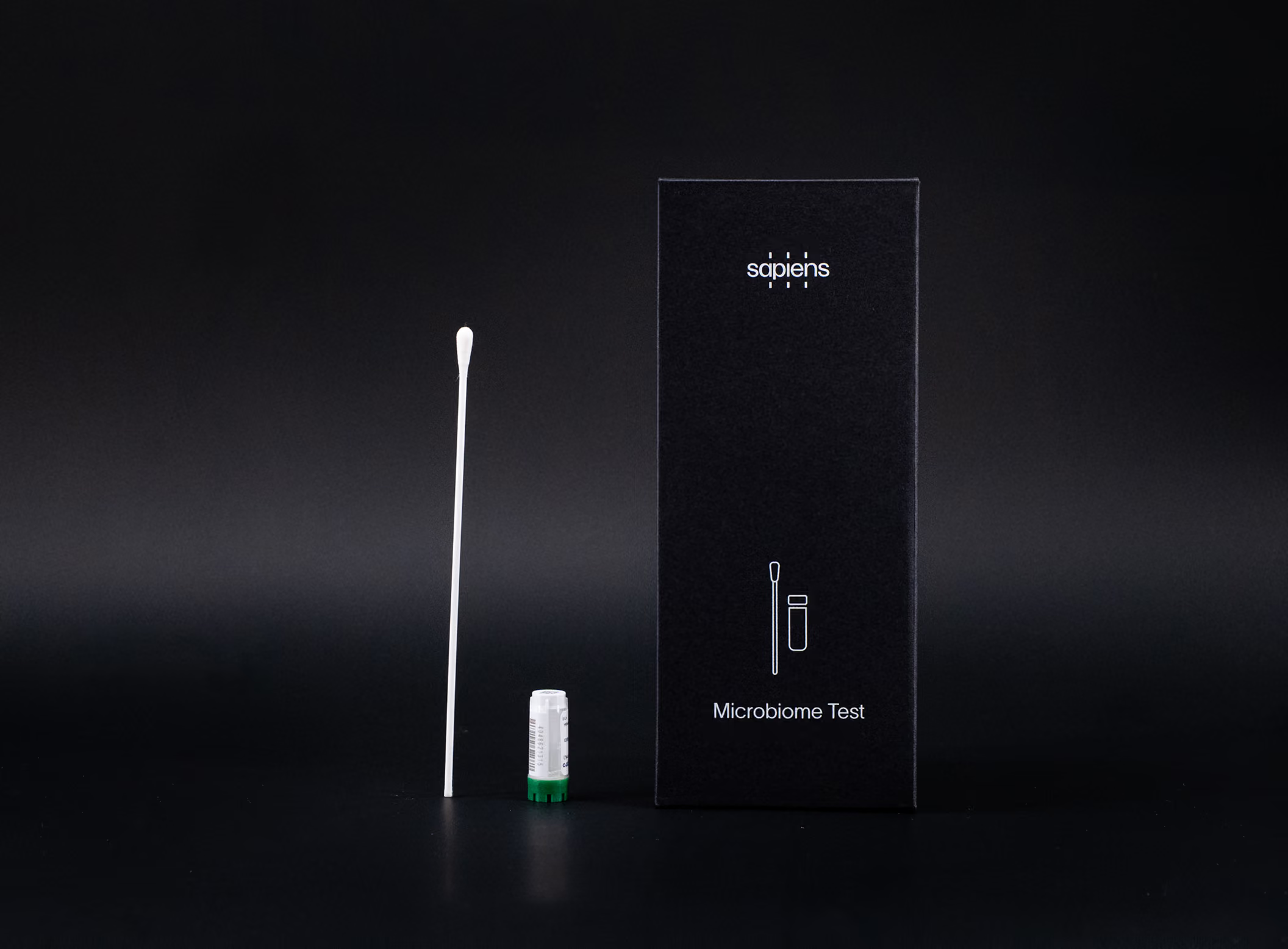
A tiny stool sample maps your gut bacteria and your personal diet needs
Biomarkers
- The 4 main gut phyla: Bacteroidetes, Firmicutes, Proteobacteria, Actinobacteria
- 1,000+ bacterial species (over 99% of known gut bacteria)
- Bacterial diversity index (Shannon)
- Enterotype classification (B-type vs. P-type)
- Key species: F. prausnitzii, Akkermansia, Bifidobacterium, Lactobacillus
- Functional readouts: fibre fermentation, SCFAs, vitamin synthesis, immune, inflammation
Insight
- See which food families your microbiome ferments well
- Get a personalized fibre and prebiotic list
- Know whether a probiotic helps, and which strains to pick
- Track shifts every 3 to 6 months as your diet changes
How to test
- Tiny stool sample at home, only a rice-grain amount needed
- No fasting: the picture must reflect your real gut
- Sealed sample mailed to the lab in a prepaid envelope
- Results returned within 2 to 4 weeks
Scientific validation
- Method: 16S rRNA next-generation sequencing, the reference microbiome method
- Landmark study: Falony et al. (2016) mapped the healthy gut baseline in Science
- Lab: BIOMES Labs (Berlin), Europe's largest microbiome database, 51,000+ profiles
FITNESS SCREENING
Movement Screening BETA
Short at-home tests show where you are strong and where to train. Beta: kit and scoring are being finalized
Markers (assessment areas)
- Movement Quality
- Mobility (toe-touch, shoulder, deep squat, spinal rotation)
- Balance (Y-balance, left and right)
- Muscular
- Upper Body Strength (handgrip, left and right)
- Upper Body Endurance (60-second push-ups)
- Lower Body Strength (squat force)
- Lower Body Endurance (squat-hold time)
- Cardio
- Short-Duration Cardio (30-second sit-to-stand)
- Medium-Duration Cardio (VO2max)
Insight
- See where your body is strong and where the weak link is
- Get a peer percentile by age and sex across all 9 areas
- Receive a personalized training plan built around your gaps
- Re-test after 3 months to see what actually moved
How to test
- All 9 tests done at home in ~60 min with the kit we ship
- Filmed for the movement screen so we grade form too
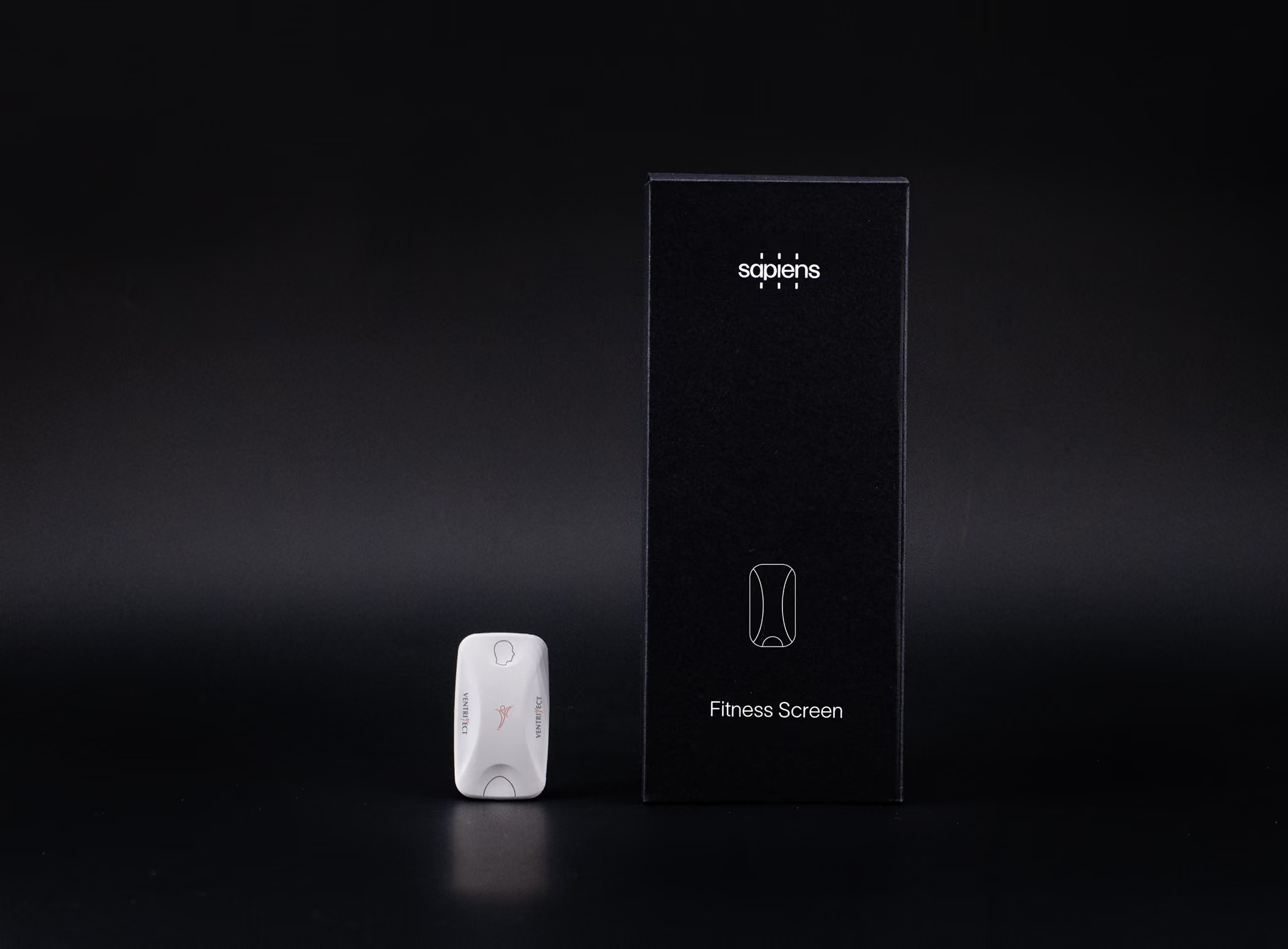
- VO2max in 3.5 min using a chest-worn sensor, no treadmill
- Handgrip, push-ups and squats via a guided app protocol
Scientific validation
- Method: functional movement screen, validated field tests, seismocardiography VO2max
- Landmark studies: Leong et al. (2015) showed handgrip beats blood pressure as a mortality predictor in The Lancet. Ross et al. (2016) made VO2max a clinical vital sign for the AHA
- Devices: Ventriject Seismofit and Camry dynamometer, both used in top research centres
SCIENTIFIC QUESTIONNAIRE
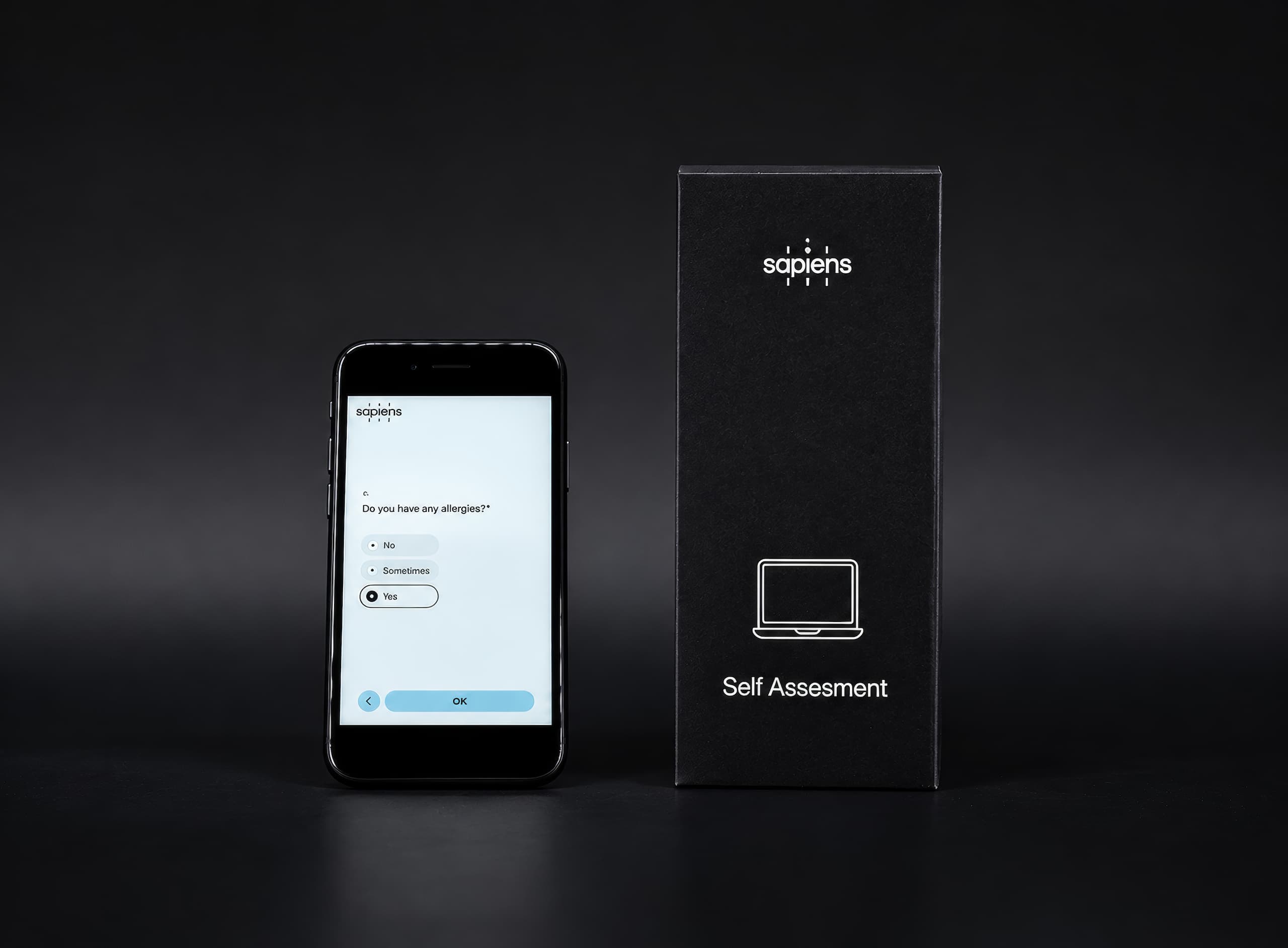
Scientific Self‑Assessment
15 minutes of validated questionnaires reveal the gap between feel and data
Markers (validated instruments)
- Perceived Stress & Resilience
- Perceived Stress Scale (PSS-4)
- Brief Resilience Scale (BRS)
- Fatigue Assessment Scale (FAS)
- Maslach Burnout Inventory (MBI)
- Work Environment
- Job Content Questionnaire (JCQ / DCSQ)
- Effort-Reward Imbalance (ERI)
- Psychological Safety
- Mental Health Screeners
- PHQ-8 (mood)
- GAD-7 (anxiety)
- Body System Health
- Gastrointestinal Severity Index (GISI)
- Immune Status Questionnaire (ISQ)
- Nordic Musculoskeletal Questionnaire (Nordic MSQ)
- Habits
- Brief Pittsburgh Sleep Quality Index (B-PSQI)
- Food Frequency Questionnaire (FFQ)
Insight
- Surface the gap between what you feel and what your body shows
- Pinpoint the work drivers behind your stress load
- Screen for early signs of anxiety, low mood, or burnout
- Give our coaches the context to read your data as a person
How to test
- ~30 min via mobile app, done at a calm moment at home
- Answers stored encrypted and reviewed in confidence
- Re-test every 6 months to track subjective vs. objective drift
- No right or wrong answers: honesty makes the scores useful
Scientific validation
- Method: validated psychometric questionnaires only, every scale peer-reviewed
- Landmark studies: Cohen, Kamarck & Mermelstein (1983) is the original PSS, 45,000+ citations. Maslach & Jackson (1981) is the foundational burnout inventory
- Instrument credibility: the same scales used by WHO, EU-OSHA and the German BAuA