Science: How we measure daily energy levels with saliva cortisol
Summary of scientific validatity
The below summarizes aspects of scientific validity. For the full article, inclusive all scientific references, see below.
Physiological basis (what it measures)
- Salivary cortisol reflects the biologically active (free) fraction of cortisol in blood because free cortisol diffuses into saliva, making it a robust, non-invasive readout of HPA-axis activity (i.e., the biological system that triggers cortisol release) in daily life (Vining et al., 1983; Kirschbaum & Hellhammer, 1994).
Analytical validity: specificity (can we measure it?)
- High-quality salivary immunoassays, the technology that Sapiens' partner laboratory Dresden Lab Services under supervision of Prof. Clemens Kirschbaum uses, are designed for low cross-reactivity with related steroids; alternatively, Sapiens diagnostics can use LC–MS/MS technology which provides even higher specificity by separating cortisol from metabolites and exogenous steroids (Casals & Hanzu, 2020).
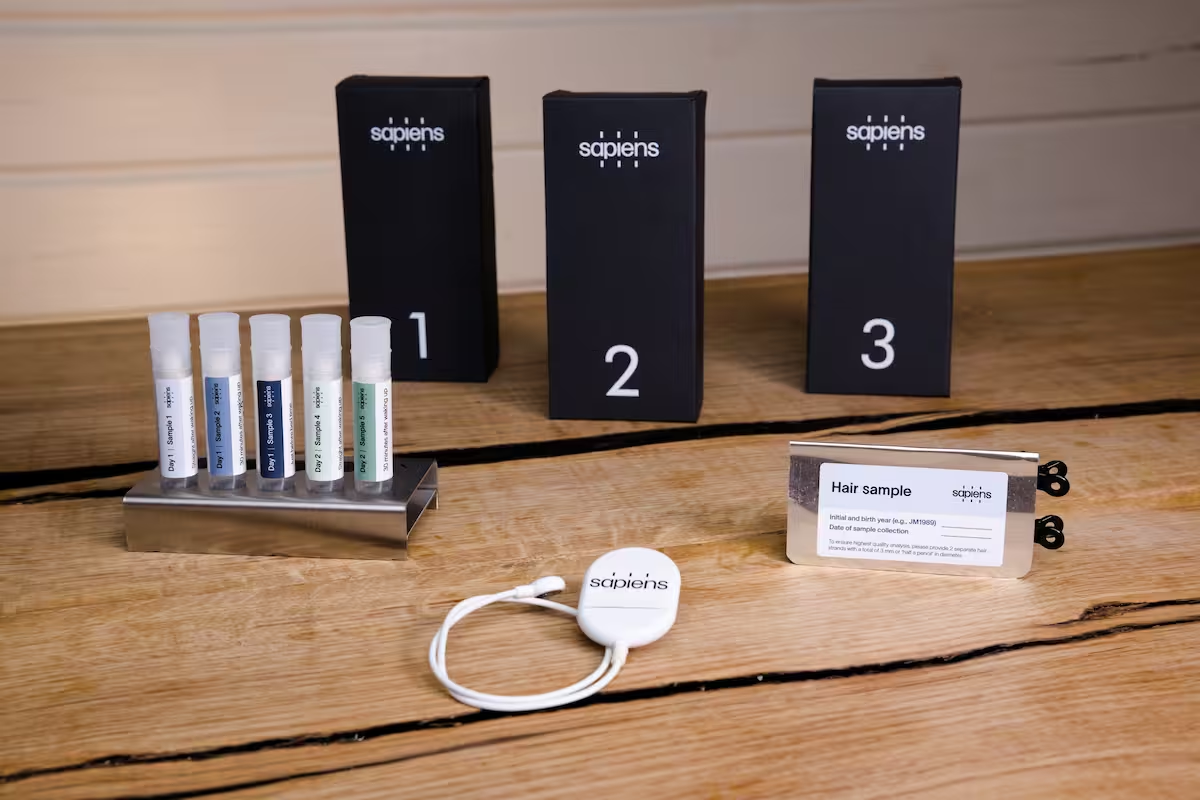
- Sapiens uses standardized collection (Salivette®) and accounts for key interferences through the self-assessment (e.g., glucocorticoid medications/contamination) to reduce confounding risks
Analytical validity: sensitivity & precision (can it detect the full range?)
- Salivary cortisol assays reliably quantify the full circadian swing - from very low late-night values to the post-awakening peak - with research-grade precision (Hellhammer et al., 2009; Raff et al., 1998).
- Repeated sampling across 2–3 days as done in the Sapiens diagnostics reduces random day-to-day biological variability and improves stability of the individual profile (Sørensen et al., 2021).
Clinical and correlational validity (does it track real physiology and conditions?)
- Salivary cortisol closely mirrors serum free cortisol dynamics in endocrine testing and circadian variation, supporting strong biological validity (Vining et al., 1983; Hellhammer et al., 2009).
- Late-night salivary cortisol is clinically established for screening hypercortisolism (e.g., Cushing’s), demonstrating real-world diagnostic performance in medicine (Nieman et al., 2008; Raff et al., 2012).
Stress & health relevance (what patterns mean in real life)
- The cortisol awakening response (CAR) and diurnal slope show consistent associations with chronic stress exposure, burnout/fatigue phenotypes, and broader mental/physical health outcomes (Chida & Steptoe, 2009; Adam et al., 2017).
- These patterns provide objective context for stress physiology when interpreted alongside symptoms and lifestyle factors as done in the Sapiens diagnostics
Interpretation: timing and protocol adherence (why the sampling design matters)
- Cortisol is highly time-dependent; delayed “wake” samples can artifactually blunt the CAR, so strict timing is essential and emphasized in the video and written instructions that Sapiens clients receive (Okun et al., 2010; Stalder et al., 2016).
- Sapiens captures the key rhythm features with wake, +30 min, and pre-bed samples across 2 consecutive typical workdays (or 3 days when needed), aligned with consensus guidance (Stalder et al., 2016).
At-home sampling & transit stability (can people do this reliably at home?)
- Home collection shows high feasibility and good timing adherence in free-living studies; averaging across multiple days improves reliability (Sørensen et al., 2021).
- Cortisol in saliva is stable for typical shipping windows supporting mailing-based workflows (Garde & Hansen, 2005; Clements & Parker, 1998).
Limitations & safeguards (what can distort results)
- Acute context (sleep disruption, illness, alcohol), blood contamination from gums, and medications - especially exogenous glucocorticoids - can bias readings; these are screened and handled in interpretation.
- Sapiens is not a medical device and does not diagnose disease, but the protocol is built on medical-grade methods and conservative, evidence-based interpretation.
Analytical Validation
Salivary cortisol measurement is founded on the principle that the fraction of cortisol which is biologically active (unbound to cortisol-binding globulin) diffuses into saliva, yielding a noninvasive index of blood free cortisol levels. Extensive research has established that salivary cortisol levels correlate closely with serum free cortisol under a variety of conditions, including dynamic endocrine tests and diurnal variation (Vining et al., 1983). In fact, early comparative studies suggested salivary cortisol may be a more appropriate measure of adrenocortical function than total serum cortisol, given its direct reflection of the biologically active hormone and the ease of stress-free sampling (Vining et al., 1983). Subsequent work reaffirmed that salivary cortisol provides a valid and reliable surrogate for serum free cortisol across diverse contexts (Kirschbaum & Hellhammer, 1994). This strong physiological basis underpins the Sapiens approach, which leverages salivary cortisol profiling to assess hypothalamic-pituitary-adrenal (HPA) axis activity in daily life.
Analytical Specificity
Modern analytical techniques, as also used by Dresden Lab Services - the Sapiens partner laboratory, for salivary cortisol are highly specific. Enzyme immunoassays (EIA) and chemiluminescent immunoassays developed for saliva are designed to minimize cross-reactivity with structurally related steroids (e.g. cortisone or corticosterone). For example, a typical high-quality salivary cortisol EIA exhibits low cross-reactivity with cortisone (on the order of a few percent) and negligible cross-reactivity with other adrenal steroids, ensuring that the measurement predominantly reflects cortisol itself (Casals & Hanzu, 2020).
Notably, liquid chromatography-tandem mass spectrometry (LC–MS/MS) offers an even higher analytical specificity by physically separating cortisol from other compounds. LC–MS/MS eliminates interference from metabolites or exogenous steroids (Casals & Hanzu, 2020), and has become a reference standard in specialized laboratories like Dresden Lab Services GmbH. Per default and for cost reasons, Sapiens diagnostics leverages the immunoassay technique, yet clients can also specifically request to use LC-MS/MS analysis.
Unlike serum total cortisol, which can be confounded by changes in binding proteins (e.g. CBG elevations in pregnancy or estrogen therapy), salivary cortisol is unaffected by CBG and thus provides a purer readout of HPA axis output (Vining et al., 1983). The antibodies in immunoassay kits are carefully selected for high affinity to cortisol and low cross-reactivity. For instance, one widely used saliva cortisol ELISA was found to have <0.1% cross-reactivity with structurally related steroids like DHEA, androstenedione, and testosterone, and only ~3% with cortisone (the inactive metabolite of cortisol). Such specificity means that common endogenous steroids or typical medications do not falsely elevate the measured cortisol. However, certain synthetic glucocorticoids (e.g. prednisolone) can cross-react in immunoassays, or be detected by mass spec, so it is crucial to account for exogenous steroid use when interpreting results (Casals & Hanzu, 2020). The analytical methods used by Sapiens are chosen to avoid known interferences. In particular, if a participant is on topical or inhaled hydrocortisone, timing of doses and potential contamination of saliva are considered, as exogenous hydrocortisone in saliva could register as cortisol. In the absence of such confounders, salivary assays accurately isolate cortisol: studies have shown that even in conditions of altered cortisol metabolism, salivary cortisol tracks the unbound fraction. For example, Kirschbaum and Hellhammer (1994) note that salivary measurements closely mirror serum free cortisol under stress paradigms and circadian changes, confirming high analytical specificity for the free hormone (Kirschbaum & Hellhammer, 1994). Moreover, the use of the Sarstedt Salivette® device in Sapiens’ collection protocol adds specificity and reliability – the synthetic swab is designed for quantitative recovery of cortisol without significant adsorption loss or leaching of interferents . In summary, the combination of specific immunochemistry (or mass spectrometry) and optimized collection materials ensures that Sapiens’ salivary cortisol measurements reflect true cortisol levels with a high degree of specificity.
Analytical Sensitivity
Salivary cortisol assays are highly sensitive, capable of detecting the hormone at very low concentrations. This is essential because cortisol exhibits a pronounced circadian rhythm that spans an order of magnitude: levels peak shortly after waking and reach a low point at night. For instance, midnight salivary cortisol in a healthy person can be on the order of 1–4 nmol/L, whereas morning levels after awakening may be 10–20 nmol/L or higher (Mantanus et al., 2015). Immunoassays have evolved to comfortably detect these low-end concentrations. As an example, the Salimetrics© salivary cortisol ELISA reports a lower limit of sensitivity around 0.33 nmol/L (Salimetrics, technical datasheet), and a commonly used ELISA by DRG International demonstrated a detection limit ~0.5 nmol/L in validation testing (per FDA 510k data).
These sensitivities mean that even an extremely low cortisol (as might be seen in adrenal insufficiency or at a circadian nadir) is distinguishable from assay noise. In practice, research indicates that cortisol is measurable in essentially all saliva samples collected at typical times – even late-night samples of healthy individuals tend to be above the zero calibrator of assays (Yaneva et al., 2019). For even greater analytical specificity and sensitivity, LC–MS/MS methods have demonstrated functional sensitivity of 10 ng/dL for salivary cortisol (≈0.28 nmol/L) and a wide linear measurement range, supporting quantification well into very low concentrations (Sturmer et al., 2018).
In addition to lower limits, the dynamic range of salivary assays encompasses acute stress responses. Physiological cortisol surges (for example, under psychosocial stress tests) can drive salivary cortisol into the 30–40 nmol/L range in some individuals; immunoassays remain linear through this range and beyond (typically up to ~80 nmol/L before requiring dilution). The analytical precision is also well-characterized: studies have reported saliva cortisol intra-assay CVs around 4–7%, and inter-assay CVs around 8–11% (Hellhammer et al., 2009). This level of precision is comparable to that of serum cortisol assays. It implies that day-to-day biological variation in cortisol (often far larger) can be discerned confidently above the analytic “noise.” Indeed, one recent home-based study found that within-person day-to-day variability in cortisol metrics (CV ~15–20% for morning AUC) exceeded the known analytic CV, highlighting that the method’s reproducibility is primarily limited by biology, not assay imprecision (Sørensen et al., 2021). In the Sapiens implementation, samples are analyzed in CLIA-certified laboratories with rigorous quality control, including calibration checks and inclusion of control samples at low, medium, and high cortisol concentrations to verify sensitivity and accuracy. Collectively, the evidence affirms that salivary cortisol assays provide more than adequate sensitivity and reliability for profiling the subtle diurnal changes and dynamic responses of the HPA axis.
Overall, salivary cortisol methods are sufficiently sensitive to capture the full circadian dynamic range—from late-night nadir to the post-awakening surge—when validated assays and standardized sampling are used. Classic clinical datasets demonstrate low late-night concentrations and markedly higher morning values, consistent with an order-of-magnitude swing across the day. (Raff et al., 1998) (Aardal & Holm, 1995) (Shin et al., 2011).
Correlational & Associative Validity
Association with Serum Cortisol and HPA Axis Status
Salivary cortisol’s validity is supported by strong correlations with serum cortisol dynamics and established endocrine tests. As noted, salivary levels rise and fall in parallel with plasma free cortisol under a variety of stimuli. For example, in ACTH stimulation tests, the increase in salivary cortisol closely mirrors the increase in blood cortisol, confirming that salivary measurements accurately reflect adrenal output changes (Vining et al., 1983). Similarly, suppression of cortisol by dexamethasone is evident in saliva to the same degree as in serum – a key point for clinical screening utility. A broad review by Hellhammer et al. (2009) concluded that “the assessment of cortisol in saliva has proven a valid and reliable reflection of the respective unbound hormone in blood”, reinforcing that salivary cortisol can stand in for serum free cortisol in both research and clinical contexts (Hellhammer et al., 2009). This clinical specificity – meaning the measure specifically reflects the cortisol status of the individual – underlies its adoption in endocrine diagnostics. For instance, late-night salivary cortisol (LNSC) is now an established first-line test to screen for Cushing’s syndrome. In patients with Cushing’s (pathologic hypercortisolism), LNSC is almost invariably elevated, whereas it remains very low in healthy or even obese stressed individuals at night. Reported diagnostic performance of LNSC is excellent, with studies finding ~92% sensitivity and ~96% specificity for Cushing’s using appropriate cut-offs (Castinetti et al., 2019; Raff et al., 2012). This means salivary cortisol correctly identifies patients with endogenous hypercortisolism with high accuracy, demonstrating its clinical validity for a serious endocrine disorder.
Associations with Psychosocial Stress and Health
Beyond classical endocrine disease, salivary cortisol profiles have been extensively correlated with stress-related conditions and psychosocial variables. The Cortisol Awakening Response (CAR) – the surge in cortisol ~30 minutes after waking – is a notable indicator in this regard. A systematic meta-analysis by Chida and Steptoe (2009) reviewed 62 studies and found that the CAR is positively associated with chronic life stress and work-related stressors, but negatively associated with states of fatigue, burnout, and exhaustion (Chida & Steptoe, 2009). In other words, individuals reporting higher ongoing stress tend to show an exaggerated CAR (larger morning increase), whereas those suffering from stress-related depletion (e.g. clinical burnout or PTSD) often exhibit a blunted CAR. These findings support the clinical sensitivity of salivary cortisol profiles: the measure is sensitive to differentiating between different stress-related conditions. Likewise, numerous studies link flatter diurnal cortisol slopes (i.e. a smaller decline from morning to evening) with adverse health outcomes. In a recent meta-analysis of 80 studies, Emma Adam and colleagues (2017) confirmed that a flatter diurnal cortisol slope is significantly associated with worse mental and physical health across a range of outcomes (Adam et al., 2017). Notably, the strongest links were seen between flattened cortisol rhythms and measures of inflammation and immune dysfunction (Adam et al., 2017), suggesting that an abnormal cortisol profile can be a biomarker of chronic stress burden with downstream health effects. These robust associations indicate that salivary cortisol has associative validity for real-world clinical and psychosocial states: patterns in the data correlate meaningfully with diagnoses (depression, burnout, Cushing’s, etc.) and risk factors (stress exposure, low socioeconomic status, etc.).
Discrimination of Clinical Conditions
The validity of Sapiens’ salivary cortisol methodology is further exemplified by its ability to distinguish clinical populations. For example, in a comparative study of individuals diagnosed with occupational burnout vs. healthy controls, salivary cortisol measurements across the day were markedly higher in the burnout group (Pilger et al., 2018). Interestingly, this difference was most pronounced at midday and late evening, where cortisol in burned-out individuals remained elevated relative to controls, whereas morning levels showed a smaller group difference (Pilger et al., 2018) – highlighting that chronic stress may manifest as an inability to suppress cortisol later in the day. Moreover, after a rehabilitation program, the burnout patients showed a significant reduction in their midday and evening cortisol levels alongside improved stress and depression scores (Pilger et al., 2018). These changes, detected via salivary cortisol, mirror clinical improvement, lending credibility to the measure’s responsiveness to interventions. Similarly, patients with major depressive disorder have been found in some studies to exhibit either a heightened CAR or a flattened diurnal curve (depending on depression subtype), aligning with the notion that HPA dysregulation is a feature of depression that salivary cortisol can capture. In sum, whether the context is an endocrine clinic (screening for Cushing’s), a workplace stress assessment, or a psychiatric setting, salivary cortisol profiling has demonstrated the sensitivity and specificity to reflect the underlying clinical state. The Sapiens approach harnesses this validated biomarker as part of an integrative assessment, confident in its grounding in decades of correlational research linking saliva cortisol to meaningful outcomes.
Interpretive & Contextual Utility
Physiological Context and Timing
Proper interpretation of salivary cortisol results requires understanding the context of collection, particularly circadian timing. Cortisol secretion follows a diurnal rhythm governed by the circadian clock: levels are lowest at night, begin to rise ~2–3 hours before waking, and peak in the first 30–45 minutes after awakening (the CAR), followed by a gradual decline through the day. Sapiens implements a standardized sampling protocol designed to capture the key features of this rhythm. Specifically, participants collect three saliva samples per day over two consecutive typical workdays – immediately upon awakening, +30 minutes after awakening, and at ~22:00 (before bedtime). These times are chosen in line with international consensus guidelines for cortisol rhythm assessment (Stalder et al., 2016). The immediate and +30 min samples allow quantification of the CAR (the difference or rise in cortisol after waking), while the evening sample provides the daily nadir level and enables calculation of the diurnal slope from morning peak to night. By sampling on two workdays, the protocol accounts for day-to-day variability and avoids atypical patterns that might occur on weekends or rest days (Kunz-Ebrecht et al., 2004). Indeed, CAR magnitude can differ between workdays and weekends in many people, often blunted on days off due to sleeping in or reduced anticipatory stress. Therefore, assessing two consecutive routine days enhances the representativeness of the cortisol profile for an individual’s usual environment.
Interpretation of the Cortisol Awakening Response
The CAR is a dynamic measure of HPA reactivity; a normal CAR is typically an increase of ~50–75% (or 5–10 nmol/L in absolute terms) above the waking cortisol level, peaking around 30 minutes post-awakening. This healthy CAR is thought to prepare the body for the upcoming day and is sensitive to psychosocial factors. In interpreting Sapiens results, an elevated CAR (substantially larger than average) might be viewed as a sign of high anticipatory stress or a phenotype associated with work-related strain. For example, individuals reporting chronic work stress or high job demands often exhibit a heightened CAR compared to low-stress counterparts (Chida & Steptoe, 2009). Conversely, a blunted or absent CAR (little to no rise after waking) could indicate HPA axis dysregulation related to exhaustion or burnout; research has linked flat CAR profiles with chronic fatigue and burnout syndromes (Chida & Steptoe, 2009). It is important, however, to ensure that a low CAR is not due to a technical confound (such as a mistimed sample – see below). Thus, Sapiens correlates the objective cortisol findings with the individual’s reported stress levels and symptoms to build a coherent interpretation. A large CAR in someone feeling overwhelmed may validate the physiology of high stress reactivity, whereas a flat CAR in someone with burnout symptoms can reinforce the impression of HPA axis attenuation. In contrast, a flat CAR in a generally healthy, high-performing individual might prompt investigation of sampling adherence or other factors, since it would be unexpected.
Interpretation of Diurnal Slope and Evening Levels
The diurnal cortisol slope (the decline from morning to night) is another crucial interpretive feature. A steep, pronounced slope (high morning, low night) is generally considered a healthy pattern indicating robust circadian modulation and effective shutdown of cortisol at day’s end. A flatter slope – where evening cortisol is inappropriately high or the decline is shallow – is interpreted as a potential marker of chronic stress exposure or disrupted circadian regulation. Flatter slopes have been associated with a litany of negative outcomes, including poorer mental health, systemic inflammation, cardiovascular risk, and even mortality in certain populations (Adam et al., 2017). Therefore, if a Sapiens participant shows a flatter-than-normal slope across the two days (e.g., cortisol remains elevated in the evening or only drops modestly), it may indicate an increased allostatic load or insufficient recovery from daily stressors. Such a pattern could be contextualized to the individual: for instance, do they work late or have ruminative stress at night that could keep cortisol elevated? On the other hand, an excessively steep drop (coupled with a low overall cortisol output) might, in some cases, point to an underactive HPA axis or adrenal fatigue (though the concept of “adrenal fatigue” is controversial and not a formal medical diagnosis, a consistently low cortisol output could warrant medical evaluation for insufficiency). Generally, Sapiens will frame the cortisol findings in light of normative data and clinical research. For example, an evening cortisol above, say, 5 nmol/L is unusually high for a relaxed state and might be flagged as “elevated evening cortisol,” whereas an evening level below 1 nmol/L is very low (perhaps seen in someone who is highly relaxed or on certain medications). The balance of CAR and diurnal slope is also considered – sometimes a person might have a normal CAR but elevated evening cortisol, suggesting specific issues with unwinding in the evening (a pattern sometimes seen in chronic stress), whereas another might have a blunted CAR but normal evening level, suggesting morning dysregulation specifically (as found in some burnout cases). These nuances illustrate the contextual utility of salivary cortisol: it provides objective data that, when interpreted against the backdrop of daily routines, stress exposures, and symptoms, can yield actionable insights into an individual’s stress physiology.
Ensuring Accurate Context – Adherence and Protocol
A critical aspect of interpretive validity is confidence that the samples reflect the intended time points. The CAR, in particular, is very time-sensitive. Research shows that if a person delays collecting the “wake-up” sample (for example, not taking it immediately upon awakening), the CAR calculation can be significantly distorted. Okun et al. (2010) demonstrated that delays over 15 minutes between actual awakening and sampling led to a blunted observed CAR, because cortisol had already begun to rise unchecked (Okun et al., 2010). In their study, individuals who waited more than 15 minutes to sample had an underestimate of the true peak and a smaller calculated CAR compared to those who sampled immediately – emphasizing that timing errors reduce the clinical sensitivity of the CAR measure (Okun et al., 2010). For this reason, Sapiens stresses proper adherence: users are instructed (and reminded) to collect the first sample immediately upon awakening (before getting out of bed, if possible) and to take the second sample exactly 30±5 minutes later. This protocol follows expert consensus guidelines that highlight the importance of prompt sampling and even suggest methods like electronic track caps to verify timing (Stalder et al., 2016). By following these guidelines, Sapiens maximizes the interpretive reliability of the CAR. Likewise, users are instructed to collect the bedtime sample at a consistent time (and at least 60 minutes after any food, drink, or oral hygiene activity) to avoid situational variation or contamination. With these measures, the contextual interpretation of the cortisol profile – whether it’s normal or indicates dysregulation – can be made with greater confidence that the data reflect true biological patterns rather than technical artifacts.
Validation of At-Home Sampling
At-Home Sampling Validity
Collecting saliva samples in an at-home setting is highly feasible and, when done according to instructions, produces reliable data on cortisol rhythms. Several studies have directly examined the compliance and validity of home-based salivary cortisol collection protocols. Sørensen et al. (2021), for example, evaluated a free-living sampling protocol very similar to Sapiens’ approach: adults were asked to collect saliva four times per day across 3 days (including awakening and 30-min post-awakening) using Salivette devices. They reported 95% compliance with the required number of samples and 84% compliance with the prescribed timing windows – indicating that the vast majority of participants were able to follow the protocol correctly (Sørensen et al., 2021). This high adherence in a real-world context reinforces that motivated individuals (such as those engaged in a wellness program like Sapiens) can successfully perform self-collection. Furthermore, the cortisol profiles obtained showed expected features (clear CAR, diurnal decline), and the day-to-day reproducibility was quantified. While there is some normal biological variability from day to day, Sørensen et al. found that averaging across 2–3 days substantially improved the stability of cortisol metrics (intraclass correlation coefficients for 3-day means were in the 0.5–0.7 range). Sapiens’ choice of a 2-day collection (and a 3-day collection for people without hair sampling balances practical convenience with the need for reliable data – using two days captures a more representative picture than a single day would, yet remains user-friendly. If results show unusually high variability between the two days, Sapiens may recommend further investigation or an optional third day to confirm patterns, acknowledging the known day-to-day variation of the HPA axis.
Crucially, at-home saliva collection has been validated against supervised collection in lab settings. Studies that have compared cortisol results from home vs. clinic sampling (with identical timing) generally report no systematic differences attributable to setting, provided that instructions are clear. The ecological validity of home sampling is in fact a strength – it allows cortisol to be measured under the participant’s normal daily conditions, rather than a possibly stressful clinic visit. This was noted by Stalder et al. (2016) in their CAR assessment guidelines: home sampling “confers ecological validity” and with proper procedures, does not compromise data quality (Stalder et al., 2016). To ensure sample integrity, Sapiens uses the Salivette® Cortisol collection device, which simplifies the process (the synthetic swab is chewed or held for ~1 minute, then placed back in a tube). This device is designed for hygiene and accuracy in unsupervised use . Participants are also provided detailed written instructions and reminders of key points: e.g. “Do not eat, drink (except water), or brush teeth for at least 15–30 minutes before each saliva collection” to avoid contamination or dilution. By adhering to established self-collection protocols and providing user support, Sapiens achieves laboratory-grade reliability from at-home collections. This is supported by the broader literature and the experience of clinical labs that routinely rely on patients to collect their own late-night saliva for cortisol testing at home (such as in Cushing’s syndrome screening). Those labs have found that with proper instruction, patients can collect samples that meet analytical requirements (Raff et al., 2012). In summary, home-based salivary cortisol sampling – as implemented by Sapiens – is a validated approach that yields valid results when participants follow the straightforward collection procedure.
Laboratory Transit and Stability
A potential concern for any at-home biological sampling is whether samples remain stable and uncontaminated during transit to the laboratory. Cortisol in saliva has proven to be very stable under a variety of handling conditions, which facilitates mailing samples without special preservatives.
The cortisol molecule is a sterol that is not rapidly degraded at ambient temperatures in the short term. A classic study on salivary cortisol stability by Garde & Hansen (2005) found no significant loss of cortisol concentration when saliva samples were kept at 5 °C for up to 3 months, or frozen at –20 °C for up to 1 year (Garde & Hansen, 2005). Even at room temperature, cortisol was fairly stable over shorter periods: the study noted a slow decrease of about 9% per month when samples were stored at ~20 °C (Garde & Hansen, 2005). A simulated postal trip for 5 days with wide temperature/movement variation; no significant difference vs frozen and showed a strong correlation (R²≈0.92) (Clements & Parker, 1998).
Therefore, a transit time of a couple of days at ambient temperature would be expected to have a negligible impact on cortisol levels – on the order of only 1% or less degradation, which is within typical assay variation. Empirical evidence backs this up: clinical labs commonly instruct patients to mail salivary cortisol samples via standard post. For example, Mayo Clinic guidelines allow patients to mail in saliva tubes for cortisol testing, and validation has shown that results remain accurate with standard shipping times (Mayo Clinic Laboratories, 2019).
To further ensure stability, Sapiens instructs users to refrigerate their samples if there is any delay between collection and shipping. Immediately after collecting each saliva sample, the participant caps the tube and, if possible, keeps it in a household refrigerator until all samples are collected and ready to ship together. Keeping samples cold (around 4 °C) essentially halts any bacterial growth and enzymatic activity that could potentially alter cortisol.
Another transit consideration is leakage or contamination. Sapiens mitigates this by using screw-capped, leak-proof tubes (the Salivette tubes have secure caps) and by providing a plastic biohazard bag for the tubes. Each tube is labeled with time of collection, which is critical for correct analysis; Sapiens double-checks that all expected time points are received. On arrival at the lab, samples are logged, centrifuged to extract clear saliva from the swab, and frozen until assay.
Centrifugation in the laboratory also helps eliminate any particulate matter and ensures a homogeneous saliva sample for analysis. The entire chain from home to lab is thus designed so that there is no meaningful loss of cortisol or risk of spurious change during transport. Real-world data confirm this robustness: in large-scale studies (e.g., nationwide stress surveys), thousands of salivary cortisol samples have been successfully mailed by participants to labs with reliable results (Sin et al., 2017).
In conclusion, the at-home collection and mailing procedure used by Sapiens is thoroughly validated – cortisol is a hardy analyte over the short timescales in question, and the use of proper containers, chilling instructions, and prompt analysis ensures the integrity of results is maintained from the participant’s home to the final laboratory report.
Clinical Validation
Use in Endocrine and Medical Practice
Salivary cortisol measurement has undergone rigorous clinical validation and is now an accepted tool in medical practice for certain diagnoses. The clearest example is in Cushing’s syndrome, where late-night salivary cortisol testing is endorsed by endocrine societies as a first-line screening test (Nieman et al., 2008). Patients with Cushing’s reliably exhibit abnormally high late-night salivary cortisol, reflecting loss of the normal circadian trough. This test’s performance in clinical validation studies has been excellent. For instance, a multicenter trial reported 100% sensitivity and 96% specificity at a cutoff of 2 ng/mL for differentiating Cushing’s syndrome patients from obese controls (Yaneva et al., 2004).
Even in milder cases (“subclinical” Cushing’s), salivary cortisol late at night has shown diagnostic utility, though with slightly reduced specificity. Importantly, these validations demonstrate that salivary cortisol can meet the stringent requirements of clinical diagnostics: defined reference ranges, reproducibility, and correlation with clinical outcomes (in Cushing’s, the outcome being hypercortisolism-related morbidity). Sapiens’ methodology is essentially a specialized application of the same underlying measurement – instead of diagnosing Cushing’s, it is used to gauge dysregulated cortisol patterns associated with chronic stress and other functional conditions. The trustworthiness of the measurement itself is supported by its successful deployment in diagnosing endocrine disease.
Clinical Studies in Stress-Related Conditions
Clinical validation also comes from numerous studies exploring salivary cortisol in stress-related syndromes. For example, patients with Burnout (clinical exhaustion) have been compared to healthy controls in controlled studies: as mentioned earlier, Pilger et al. (2018) found significantly higher daytime and evening cortisol in burnout patients, with normalization after treatment. Yet, overall cortisol shows heterogeneous patterns in burnout across studies likely reflecting unclear definitions of burnout, phenotype, sampling design and confounding (Oosterholt et al., 2015) (McCanlies et al., 2020).
Another study on chronic fatigue syndrome (CFS) patients noted a blunted cortisol awakening response and lower daytime cortisol output in CFS compared to healthy individuals (Roberts et al., 2004), suggesting a potential hypoactive HPA presentation.
Meanwhile, in major depression, especially melancholic depression, studies often find elevated evening salivary cortisol and a less pronounced diurnal decline, consistent with HPA overactivity (Huber et al., 2006). These findings across different clinical contexts validate that salivary cortisol profiles are not just theoretical constructs but have been observed as distinguishing features of real patient groups. They lend credence to Sapiens’ use of the cortisol profile as a biomarker to flag potential issues. For instance, if a Sapiens user’s results mimic those seen in burnout patients (e.g. high evening cortisol and/or low CAR), it provides a biologically objective piece of evidence aligning with what is known in clinical studies of burnout. This can increase a clinician’s confidence in making recommendations or pursuing further evaluation.
Integration with Multimodal Assessments
It is worth noting that salivary cortisol validation extends to its integration with other measures. In clinical practice and research, cortisol levels are often interpreted alongside symptoms or other biomarkers. For example, heart rate variability (HRV) and salivary cortisol have been jointly assessed in stress research, and together they give a more comprehensive picture of autonomic and HPA axis function. Sapiens follows a similar philosophy by combining cortisol profiling with data like HRV and psychological inventories. The validated nature of salivary cortisol ensures that this piece of the puzzle is solid. When an observed cortisol pattern is discordant with other indicators, it prompts a deeper look – for instance, if self-reported stress is high but cortisol rhythm looks entirely normal, one might question if other factors (like perception, or perhaps high resilience in HPA axis) are at play. Conversely, an abnormal cortisol pattern in someone who doesn’t report much stress might alert to hidden stressors or other medical issues (for example, subclinical hypercortisolism or sleep apnea, which can elevate cortisol). In this way, salivary cortisol acts as a credible and independent marker that adds objectivity to clinical assessments.
Limitations and Confounding Factors
No biomarker is without limitations, and salivary cortisol’s clinical validation includes understanding its constraints. One limitation is circadian variability – a single cortisol reading has limited meaning; patterns over the day (like those Sapiens measures) are far more informative. Additionally, acute events (poor sleep, illness, alcohol use the night before) can transiently perturb cortisol levels. Thus, clinical interpretation must consider recent context. Another well-known consideration is oral health and sample integrity. If a saliva sample is contaminated with blood (for example, from gum bleeding), the cortisol reading may be artificially elevated because blood contains cortisol ~100 times higher concentration than saliva. Clinical protocols advise avoiding brushing teeth or biting the swab hard for this reason. Participants with gingivitis or oral lesions need to take care; otherwise, a falsely high cortisol could be misinterpreted. Sapiens mitigates this by clear instructions (rinse mouth with water if needed, don’t collect if there’s active bleeding) and by the design of the synthetic swab which doesn’t require vigorous chewing. Medication use is another factor: certain medications (like glucocorticoids or even some high-dose progestins) can suppress or increase cortisol levels. In a clinical validation context, one would exclude or account for individuals on such meds when establishing norms. Sapiens likewise asks users about relevant medications in their intake, so that results can be interpreted accordingly (e.g., an oral hydrocortisone medication could flatline the diurnal rhythm entirely).
Finally, psychological and behavioral adherence is a soft confound – if a participant deviates from the protocol (takes the morning sample an hour late, or forgets a sample and takes it the next day), the data’s validity diminishes. In research settings, this is handled by excluding days that don’t meet accuracy criteria (Stalder et al., 2016). In Sapiens’ program, we emphasize education and user-friendliness to maximize adherence, and any anomalies in the cortisol data (e.g., a biologically implausible surge or drop) are double-checked by consulting the participant (sometimes the participant will acknowledge “Oh, I collected that sample late”). This pragmatic approach ensures that when Sapiens reports a cortisol profile, it is as clinically valid as possible – reflecting true physiology. The known limitations are transparently communicated: for instance, users are informed that cortisol levels naturally fluctuate and that two days is a snapshot (albeit a meaningful one). Should results be borderline or unclear, the option of repeat testing is available, much as a physician might repeat a borderline lab test.
Summary
In conclusion, salivary cortisol measurement as implemented by Sapiens stands on a firm foundation of scientific and clinical validation. Its analytical reliability is high, its correlations with important health states are well-documented, and its utility in an at-home setting is proven. While mindful of limitations (circadian dynamics, proper sampling technique, and individual differences), Sapiens uses this biomarker in a scientifically responsible way – one that aims to translate the subtleties of cortisol rhythms into actionable insights for health, without hyperbole. The tone and interpretation remain evidence-based and cautious, consistent with how a clinician or clinical scientist would approach an adrenal function test. This ensures that Sapiens’ cortisol profiling earns the trust of medical professionals, clinical scientists, and informed stakeholders alike, by demonstrating rigor, validity, and an appreciation for the complexity of the HPA axis in human health.